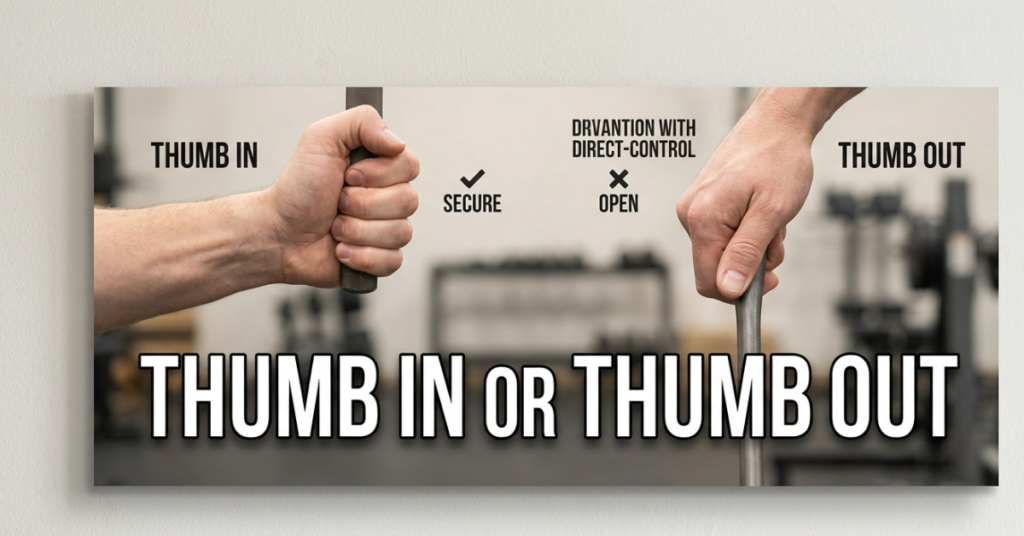

Small gestures often say more than words. One subtle but powerful cue is thumb placement—whether it’s tucked in or visible. Understanding thumb in or thumb out can help you read confidence levels, emotions, and social signals more accurately.
In this guide, we’ll break down the meaning behind thumb positioning, how it changes in different situations, and what it might reveal about personality—all in a simple, practical way.
What Is Thumb In or Thumb Out?
This phrase refers to how someone positions their during everyday body language.
Two common positions:
- In → tucked inside fingers or hidden in pockets
- Out → visible, pointing outward or resting on top
Even though it seems minor, this detail can influence how a person is perceived.
Thumb Position Meaning in Body Language
Thumb In (Hidden Thumb)
When this is tucked away, it often suggests a more reserved state.
Common signals:
- Shyness or hesitation
- Low confidence
- Emotional discomfort
- Desire to stay unnoticed
Example:
Someone standing with hands in pockets and thumbs hidden may be feeling unsure or withdrawn.
Thumb Out (Visible Thumb)
A visible is usually linked to stronger, more open energy.
Common signals:
- Confidence and self-assurance
- Relaxed attitude
- Openness
- Social dominance
Example:
A person with thumbs outside their pockets often appears comfortable and in control.
How Thumb Position Changes by Situation
1. Hands in Pockets
- In: Reserved, quiet, or cautious
- Out: Casual confidence and ease
2. Crossed Arms
- In: Defensive and closed-off
- Out: Defensive but still confident
3. During Conversations
- In: Uncertainty or hesitation
- Out: Strong presence and assertiveness
The Psychology Behind Thumb Placement
Why Visible Thumbs Signal Confidence
This is associated with authority in body language. When it’s visible, it naturally draws attention and signals ease.
Why Hidden Thumbs Suggest Caution
Tucking this away is often a subconscious protective gesture. It reduces visibility and can indicate vulnerability or discomfort.
Is Thumb In Always Negative?
Not necessarily. Context matters.
A hidden can also reflect:
- Thoughtfulness
- Respect in formal settings
- Cultural habits
So it’s important to look at the full body language, not just one detail.
Cultural Differences to Consider
Gestures don’t mean the same thing everywhere.
- In some cultures, visible thumbs may be seen as bold
- In others, they’re completely neutral
Always interpret body language within the right context.
How to Use This in Real Life
If you want to appear more confident:
Simple tips:
- Keep your hands visible when speaking
- Avoid hiding your thumbs constantly
- Use natural, open gestures
The goal isn’t to force behavior—it’s to be aware of it.
Common Mistakes to Avoid
- Judging someone based on one gesture
- Ignoring context or environment
- Assuming hidden thumbs always mean insecurity
Body language works best when viewed as a complete picture.
Read also <<< Natzi or Nazi
Quick Comparison
| Thumb Position | Common Meaning |
| In | Shy, insecure, reserved |
| Out | Confident, open, dominant |