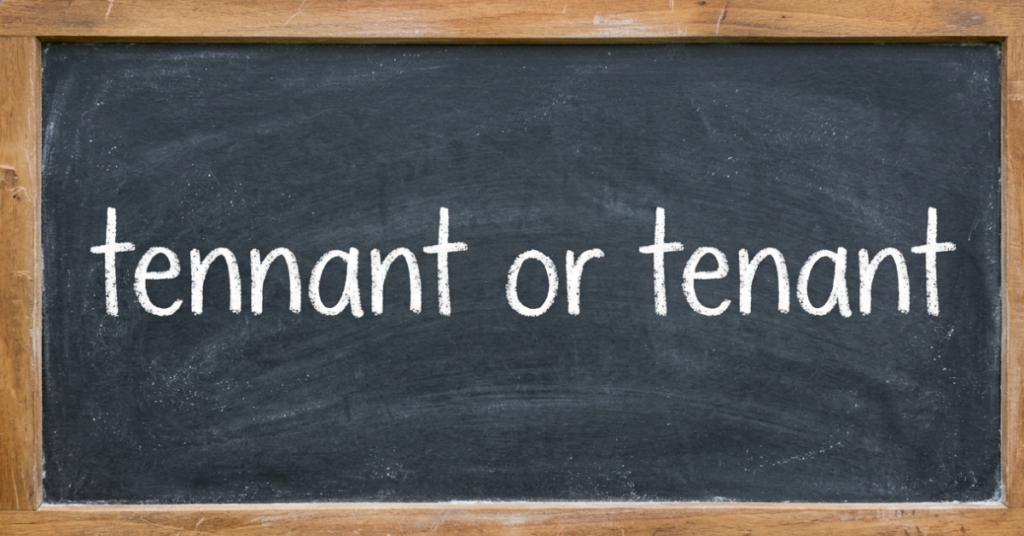

English can be tricky because some words look right even when they are not. One common spelling mistake people make is tennant or tenant, especially when writing about renting a house or apartment.
If you have ever paused to ask yourself how do you spell tenant, you are not alone. The difference between these two words is simple once you understand it, and knowing the correct spelling can help you avoid mistakes in professional writing, rental agreements, and everyday communication.
Tenant or Tennant: The Correct Spelling
The correct word is:
Tenant
A tenant is a person who rents or occupies a property owned by someone else.
Example:
- The tenant signed a one-year lease for the apartment.
- Every tenant must follow the building rules.
The spelling tennant is usually considered incorrect when referring to someone renting property.
What Does Tenant Mean?
The word tenant refers to someone who legally occupies property that belongs to another person, usually under a lease or rental agreement.
Common examples of a tenant:
- Apartment renter
- House renter
- Office space renter
- Commercial property renter
A tenant may pay:
- Monthly rent
- Security deposit
- Utility charges
- Maintenance fees
Why People Confuse Tenant vs Tennant
The confusion around tenant vs tennant often happens because English pronunciation can make both words sound similar.
Reasons people misspell it include:
- Double-letter confusion
- Autocorrect errors
- Similar surnames like “Tennant”
- Phonetic spelling habits
Since many English words use double consonants, people sometimes assume tennant looks more natural.
How Do You Spell Tenant Correctly?
If you are wondering how do you spell tenant, remember this simple spelling:
T-E-N-A-N-T
A quick memory trick:
Think of:
TEN + ANT = TENANT
That can make the correct version easier to remember.
Tennant vs Tenant in Real Usage
Understanding tennant vs tenant becomes easier with examples.
Correct:
- The tenant paid rent on time.
- A good tenant keeps the property clean.
- The landlord contacted the tenant yesterday.
Incorrect:
- The tennant paid rent on time.
Unless it is someone’s surname, tennant should not be used.
When Is Tennant Correct?
Although tennant is incorrect in rental writing, it can appear as a surname.
For example, some people may have the last name:
- Tennant
- Tennent
So context matters.
Example:
- Mr. Tennant works in real estate.
Here it is a family name, not a spelling of the rental word.
Common Mistakes in Rental Writing
People often make spelling errors in:
- Lease agreements
- Rental listings
- Property emails
- Legal notices
- Online ads
Using tenant correctly helps your writing look professional and trustworthy.
Easy Ways to Remember Tenant
To avoid confusion between tenant or tennant, try these tips:
1. Think of Rent
A tenant pays rent.
2. One N Only
Tenant has one “n” in the middle.
3. Practice in Sentences
Writing the word helps reinforce memory.
Example:
- The tenant moved in last week.
Why Correct Spelling Matters
Correct spelling matters because it can affect:
- Professional image
- Legal documents
- Search engine clarity
- Reader trust
Misspelling a common word in property documents can make writing appear careless.
Tenant in Legal Terms
In legal language, a tenant usually has rights that may include:
- Right to privacy
- Right to safe housing
- Right to notice before eviction
- Right to fair treatment
Because legal writing must be precise, using tenant instead of tennant is especially important.
FAQs
Is tenant or tennant correct?
The correct spelling is tenant.
How do you spell tenant?
It is spelled T-E-N-A-N-T.
What does tenant mean?
A tenant is someone who rents property from a landlord.
Is tennant ever correct?
Only when used as a surname, not as the rental term.
Why do people write tennant?
Many people spell it that way because it sounds similar when spoken.
Conclusion
The answer to tennant or tenant is straightforward: tenant is the correct spelling when talking about someone who rents a property. While tennant may appear as a surname, it should not replace the standard word in everyday writing.
Remembering the difference between tenant vs tennant can help your writing look more polished and professional. If you often write about property or leases, mastering small details like this can make a surprisingly big difference.